





Karena dunia lebih memperhatikan energi terbarukan, energi matahari telah banyak digunakan sebagai bentuk energi yang bersih dan berkelanjutan. Sistem fotovoltaik (PV) memainkan peran penting dalam perumahan, bangunan komersial, dan pembangkit listrik fotovoltaik skala besar. Dalam sistem fotovoltaik, kabel dan kabel adalah komponen utama yang menentukan efisiensi, keandalan, dan keamanan sistem. Oleh karena itu, memilih kabel yang tepat sangat penting.
Dalam artikel ini, kami akan mengeksplorasi karakteristik dan standar yang berlaku dari kabel surya dan kabel surya, dan membandingkan aplikasi mereka dalam sistem surya yang berbeda. Akhirnya, kami akan memberikan faktor -faktor yang perlu dipertimbangkan ketika memilih kabel surya untuk membantu Anda membuat keputusan terbaik.

1. Apa itukabel suryadan kabel surya?
1.1 Kabel Surya
Kabel surya adalah kabel yang dirancang khusus untuk sistem fotovoltaik. Tugas utama mereka adalah mengirimkan listrik yang dihasilkan oleh panel surya ke inverter, perangkat penyimpanan energi, atau sistem tenaga. Kabel surya tidak hanya perlu memiliki fungsi konduktif kabel konvensional, tetapi juga harus dapat menahan paparan luar ruang jangka panjang, iklim ekstrem, radiasi ultraviolet, dan faktor-faktor lainnya.
Kabel surya biasanya memiliki karakteristik berikut:
Resistensi suhu tinggi: Kabel surya perlu menahan lingkungan suhu tinggi, terutama lingkungan kerja di bawah sinar matahari langsung.
Resistensi Ultraviolet (UV):Kabel surya terpapar ke luar sepanjang tahun, dan radiasi ultraviolet dapat menyebabkan bahan kabel bertambah tua, sehingga kabel harus memiliki resistensi UV yang baik.
Korosi dan resistensi penuaan: Kabel surya harus mampu menahan korosi kimia, oksidasi dan penuaan, dan mempertahankan stabilitas jangka panjang.
Kinerja tahan air:Karena kabel surya sering terkena lingkungan yang lembab, lapisan luar kabel perlu memiliki sifat tahan air yang kuat.
Toleransi tegangan tinggi: Sistem fotovoltaik modern biasanya beroperasi pada tegangan yang lebih tinggi, sehingga tingkat tegangan kabel surya perlu memenuhi persyaratan sistem.
1.2 Kawat matahari
Kabel surya biasanya merujuk ke kabel tunggal yang digunakan untuk menghubungkan panel surya dan perangkat lainnya. Dibandingkan dengan kabel, mereka tidak memiliki insulasi eksternal dan lapisan selubung, sehingga mereka membutuhkan lebih banyak perlindungan saat digunakan. Meskipun kabel surya kadang-kadang digunakan dalam sistem fotovoltaik, mereka lebih banyak digunakan untuk koneksi jarak pendek dan skenario kabel ringan. Tidak seperti kabel surya, kabel biasanya hanya mengandung satu atau lebih konduktor, sehingga tidak tahan lingkungan.

2. Jenis dan standar utama kabel surya
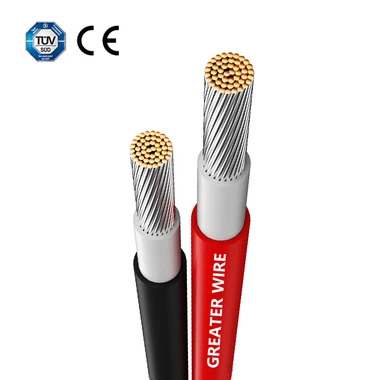
Ada banyak jenis kabel surya, termasuk dual-konduktor (kabel dual-core), konduktor tunggal, kawat tunggal, tahan tegangan tinggi, dll. Setiap jenis kabel memiliki skenario dan karakteristik penggunaan yang berbeda, dan pilihan spesifik perlu ditentukan sesuai dengan kebutuhan sistem fotovoltaik.
2.1 Kabel surya dual-conductor (kabel dual-core)
Kabel dual-conductor sering digunakan untuk menghubungkan beberapa panel fotovoltaik secara paralel, dan memiliki daya dukung arus yang baik dan kinerja listrik. Setiap kabel memiliki dua konduktor di dalamnya, satu untuk kutub positif dan yang lainnya untuk kutub negatif. Desain kabel membantu menjaga stabilitas sistem dan efisiensi transmisi daya.
2.2 Kabel Surya Konduktor Tunggal
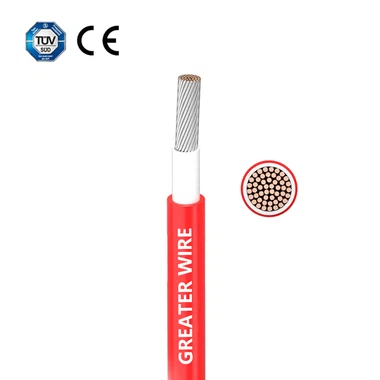
Kabel konduktor tunggal terutama digunakan untuk koneksi listrik tunggal atau sistem fotovoltaik yang lebih kecil. Secara umum, mereka cocok untuk menghubungkan panel ke inverter, atau dalam aplikasi yang membutuhkan arus lebih tinggi.
2.3 Kabel surya tegangan tinggi (kabel tegangan tinggi)
Stasiun daya fotovoltaik skala besar modern dan sistem fotovoltaik efisiensi tinggi biasanya memiliki tingkat tegangan yang lebih tinggi. Untuk beradaptasi dengan sistem ini, kabel surya perlu mendukung tingkat tegangan yang lebih tinggi (seperti 1000V atau 1500V). Desain kabel tegangan tinggi ini membutuhkan perhatian khusus pada kinerja listrik, bahan isolasi, dan kemampuan transmisi tegangan tinggi.
2.4 Standar Kabel Fotovoltaik
Kabel surya harus memenuhi standar keselamatan dan persyaratan sertifikasi tertentu. Standar umum meliputi:
IEC 60216:Ketahanan panas dan kinerja penuaan kabel.
IEC 60754:Pelepasan asap dan korosif kabel dalam situasi kebakaran.
UL 4703:Standar keamanan untuk kabel fotovoltaik di Amerika Serikat.
Sertifikasi Tüv:Sertifikasi kabel fotovoltaik di pasar Eropa untuk memastikan bahwa kabel memenuhi persyaratan resistensi UV dan resistensi suhu tinggi.
3. Perbedaan antara kabel surya dan kabel surya
Perbedaan utama antara kabel surya dan kabel surya terletak pada struktur, penggunaan lingkungan, dan sifat material. Berikut ini adalah perbedaan utama di antara mereka:
3.1 Perbedaan Struktural
Kabel Surya:Kabel surya biasanya terdiri dari beberapa konduktor, lapisan isolasi, dan selubung luar. Selubung luarnya biasanya terbuat dari polietilen (PE) atau bahan tahan UV lainnya dan tahan suhu tinggi untuk memastikan bahwa ia mempertahankan kinerja kerja yang baik di bawah paparan luar ruang jangka panjang.
Kabel surya: Kabel matahari biasanya hanya memiliki satu konduktor, tidak memiliki selubung luar atau hanya memiliki isolasi luar yang sederhana. Oleh karena itu, kabel surya lebih cocok untuk aplikasi jarak pendek atau aplikasi yang tidak terpapar ke luar.
3.2 kemampuan beradaptasi lingkungan
Kabel Surya:Kabel surya dirancang untuk lingkungan luar dan keras. Mereka memiliki ketahanan yang kuat terhadap sinar UV, suhu tinggi, penuaan, dan air, dan dapat beroperasi secara stabil di bawah paparan jangka panjang terhadap sinar matahari dan kondisi cuaca yang keras.
Kabel surya: Karena kurangnya selubung luar atau lapisan pelindung, kabel surya memiliki ketahanan cuaca yang buruk dan ketahanan lingkungan, dan lebih cocok untuk aplikasi dalam ruangan atau koneksi jarak pendek.
3.3 Keselamatan dan Daya Daya
Kabel Surya:Selubung luar kabel matahari dirancang dengan baik dan secara efektif dapat mencegah kerusakan fisik, korosi kimia, dan penuaan yang disebabkan oleh faktor lingkungan. Biasanya memiliki toleransi tegangan tinggi (600V, 1000V, atau 1500V), memenuhi standar keselamatan yang ketat, dan dapat beroperasi secara stabil untuk waktu yang lama.
Kabel matahari:Kabel surya memiliki daya tahan dan ketahanan kerusakan yang rendah dan umumnya cocok untuk aplikasi dengan tegangan yang lebih rendah dan lingkungan kerja yang lebih ringan.
4. Faktor kunci untuk memilih kabel surya terbaik
Ada beberapa faktor kunci yang perlu dipertimbangkan saat memilih kabel surya terbaik:
4.1 Level Tegangan
Level tegangan kabel surya adalah salah satu faktor seleksi terpenting. Sebagian besar sistem fotovoltaik komersial rumah dan kecil biasanya memiliki tingkat tegangan 600V atau 1000V, sedangkan pembangkit listrik fotovoltaik besar mungkin memerlukan tingkat tegangan yang lebih tinggi, seperti 1500V. Pilih kabel dengan level tegangan yang sesuai sesuai dengan tegangan sistem sistem untuk memastikan bahwa kabel dapat menahan tegangan operasi sistem.
4.2 Bahan Kabel
Bahan konduktor kabel surya biasanya tembaga atau aluminium. Konduktor tembaga memiliki konduktivitas yang lebih baik daripada konduktor aluminium, tetapi biayanya lebih tinggi. Memilih kabel konduktor tembaga dapat meningkatkan efisiensi sistem, terutama dalam transmisi jarak jauh. Meskipun kabel konduktor aluminium lebih murah, ia memiliki konduktivitas yang buruk dan cocok untuk transmisi jarak pendek.
4.3 kemampuan beradaptasi lingkungan
Kabel surya harus dapat menahan kondisi lingkungan yang keras, termasuk suhu tinggi, radiasi ultraviolet yang kuat, hujan, angin dan pasir, dll. Oleh karena itu, sangat penting untuk memilih bahan selubung luar kabel dengan karakteristik seperti ketahanan UV, ketahanan air, dan ketahanan suhu tinggi. Bahan selubung luar yang umum termasuk polietilen (PE), ** polietilen terkait silang (XLPE) **, dll. Bahan-bahan ini dapat secara efektif melindungi struktur internal kabel dan memperpanjang masa pakai kabel.
4.4 Sertifikasi dan Standar Kabel
Kabel surya harus mematuhi standar keselamatan dan kualitas internasional yang ketat, seperti IEC 60216, IEC 60754, UL 4703, dll. Memilih kabel bersertifikat dapat memastikan bahwa mereka memiliki keamanan dan keandalan yang tinggi dalam penggunaan jangka panjang.
4.5 Fleksibilitas dan kemudahan pemasangan
Dalam beberapa sistem fotovoltaik, fleksibilitas dan kemudahan pemasangan kabel juga merupakan faktor penting dalam pemilihan. Memilih kabel surya yang fleksibel dapat memfasilitasi pemasangan, terutama di lingkungan kabel yang kompleks.